
The Citadel of Damascus: A Stone Sentinel in the Heart of History
When you walk through the bustling markets of Old Damascus, the scent of jasmine and spices fills the air, and the echoes of centuries past resonate from the ancient walls. Amidst this living museum stands one of the most significant monuments of Islamic military architecture: The Citadel of Damascus.
What to expect?
The Citadel of Damascus.
At yalla-syria, we believe that understanding a city starts with its foundations. The Citadel is not just a fortress of stone; it is a testament to the resilience, strategic brilliance, and artistic heritage of Syria. Join us as we peel back the layers of time to explore this UNESCO World Heritage site.
An Architectural Masterpiece in the Heart of the Capital
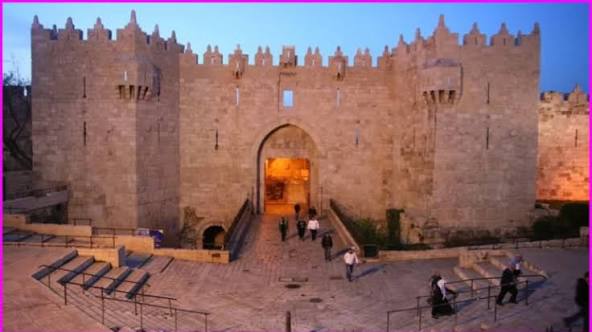
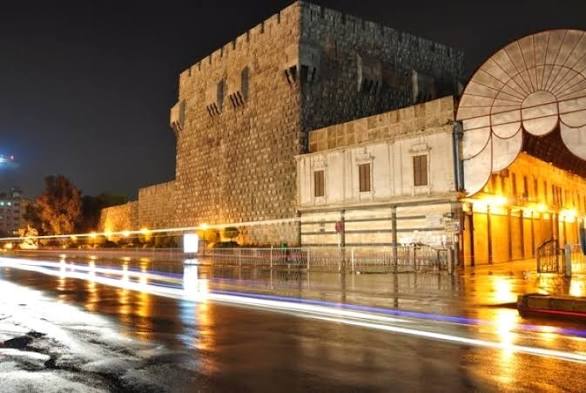
Located in the northwest corner of the walls of Damascus, the Syrian capital, the Citadel occupies a strategic position between Bab al-Faradis and Bab al-Jabiyah. Unlike many crusader-era castles built on high hilltops, the Citadel of Damascus was constructed on flat ground, integrated into the city’s urban fabric.
This fortified palace-fortress is a hallmark of the Ayyubid era, showcasing the transition from defensive structures to grand administrative residences.
Surrounded by a moat approximately 20 meters wide, the Citadel served as the ultimate shield for the city and a seat of power for its rulers.
The Foundations: From Turkoman Ambition to Seljuk Grandeur
While some historians speculate about Hellenistic or Roman origins, there is no concrete evidence of a fortress at this exact site before the Islamic period. The story of the current structure truly begins in 1076 AD.
It was established by Atsiz bin Uwaq, a Turkoman warlord, who recognized the necessity of a central stronghold within the city. However, Atsiz’s reign was cut short by assassination. The project was inherited and completed by Prince Tutush I bin Alp Arslan, the Sultan of Damascus and founder of the Seljuk dynasty in Syria. Under the Seljuks, the Citadel became the nerve center of regional politics.
The Era of Saladin and the Ayyubid Transformation
The Citadel’s history took a monumental turn in 1174 AD when it fell into the hands of Salah ad-Din (Saladin), the Sultan of Egypt and Syria. Saladin chose the Citadel as his primary residence, meticulously restoring its defenses and adding new administrative buildings to reflect his growing empire.
However, the fortress we see today is largely the work of Saladin’s brother, Al-Adil Saif ad-Din. Between 1203 and 1216 AD, Al-Adil undertook a massive reconstruction project. This wasn't just a renovation; it was a total overhaul driven by the evolution of medieval warfare.
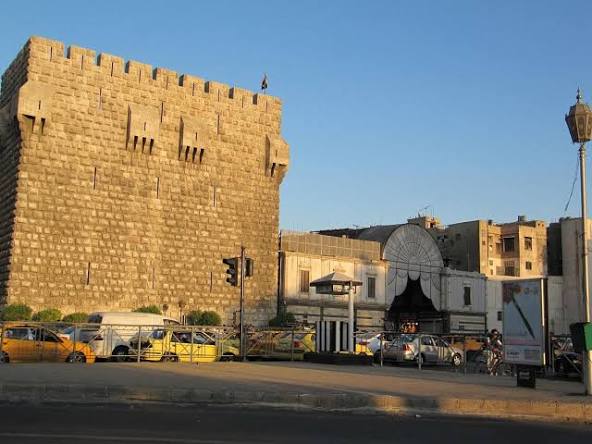
The Evolution of War: Al-Adil redesigned the walls and towers specifically to counter the increasing power of the trebuchet (manjaniq). The thick, massive masonry and projecting towers allowed defenders to rain down projectiles on attackers while remaining protected.
Despite the frequent power struggles among Ayyubid princes following Al-Adil’s death, the Citadel’s defenses were so formidable that it was only taken by force once during this period, in 1239 AD.
Mongol Invasions and the Mamluk Rise
The Ayyubid golden age ended with the thunder of hooves from the East. In 1260 AD, the Mongol general Kitbuqa captured Damascus. Following a failed uprising by the city's defenders, the Mongols began dismantling the Citadel to prevent further resistance.
Their victory was short-lived. Later that year, the Mamluks of Egypt defeated the Mongols at the Battle of Ain Jalut and took control of Damascus. For the next two centuries, the Mamluks treated the Citadel as a vital military asset. Despite brief Mongol re-occupations between 1300 and 1401 AD (including the devastating siege by Timur), the Mamluks held the Citadel until 1516 AD.
The Ottoman Era: From Palace to Barracks
In 1516, the geopolitical landscape shifted again as the Ottoman Empire expanded southward. Damascus surrendered without a fight. Under Ottoman rule, the Citadel’s role transitioned from a royal residence to a military garrison.
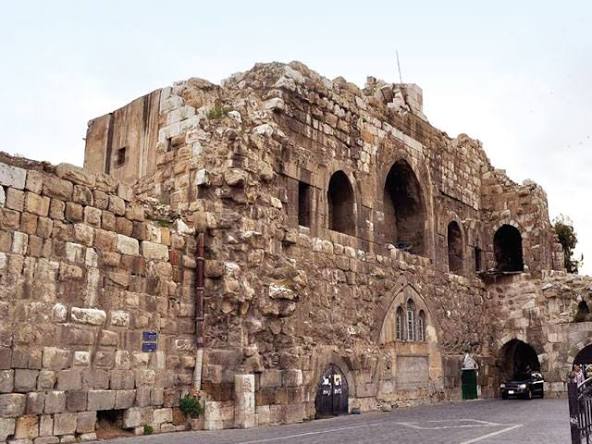
By the 17th century, it became the headquarters for the Janissary units—the elite infantry of the Ottoman Sultan. While it remained a symbol of authority, the lack of major sieges led to a slow decline in its structural upkeep. By the 19th century, the once-glorious palace sections were in a state of disrepair.
The 20th Century: A Witness to Modern Resistance
The Citadel's military history reached a dark climax in 1925. During the Great Syrian Revolt against the French Mandate, French forces used the Citadel as a base and subsequently bombarded the area in response to the uprising. This period marked the last time the Citadel served an active role in combat.
In the decades that followed, the fortress took on a more somber role, serving as both a military barracks and a prison. It wasn't until 1986 that the prison was closed, and a new era of restoration and archaeological study began.
Why Visit the Citadel Today?
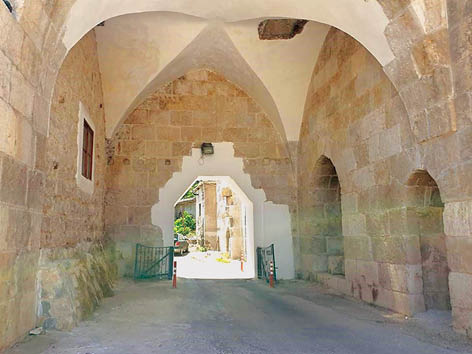
Today, the Citadel of Damascus stands as a proud monument to Syrian history. Visitors can walk through the massive vaulted halls and admire the intricate stone carvings that have survived centuries of conflict.
Key Features to Look For:
• The Massive Towers: Marvel at the engineering of Al-Adil, designed to withstand the heaviest siege engines of the 13th century.
• The East Gate: A stunning example of Ayyubid craftsmanship.
• UNESCO Recognition: In 1979, the Citadel was rightly included in the UNESCO World Heritage list as part of Ancient Damascus.
Planning Your Visit with yalla-syria
Damascus is a city that rewards the curious traveler. When you visit the Citadel, you are standing on ground that has been held by Sultans, Emirs, and revolutionaries. It is the heart of a city that has seen empires rise and fall, yet remains standing.
At yalla-syria, we are dedicated to bringing you the best of Syrian heritage. Whether you are a history buff or a casual traveler, the Citadel of Damascus is a "must-see" on your itinerary.
Final Thoughts:
The Citadel is more than a fortification; it is a mirror reflecting the soul of Damascus. Its stones tell stories of defense, governance, and the enduring spirit of the Syrian people. As we look toward the future of tourism in Syria, the Citadel remains our most enduring landmark.
Ready to explore more of Syria’s hidden gems? Stay tuned to yalla-syria for more guides, history, and travel tips.
At yalla-syria, we believe that understanding a city starts with its foundations. The Citadel is not just a fortress of stone; it is a testament to the resilience, strategic brilliance, and artistic heritage of Syria. Join us as we peel back the layers of time to explore this UNESCO World Heritage site.
An Architectural Masterpiece in the Heart of the Capital
Located in the northwest corner of the walls of Damascus, the Syrian capital, the Citadel occupies a strategic position between Bab al-Faradis and Bab al-Jabiyah. Unlike many crusader-era castles built on high hilltops, the Citadel of Damascus was constructed on flat ground, integrated into the city’s urban fabric.
This fortified palace-fortress is a hallmark of the Ayyubid era, showcasing the transition from defensive structures to grand administrative residences.
Surrounded by a moat approximately 20 meters wide, the Citadel served as the ultimate shield for the city and a seat of power for its rulers.
The Foundations: From Turkoman Ambition to Seljuk Grandeur
While some historians speculate about Hellenistic or Roman origins, there is no concrete evidence of a fortress at this exact site before the Islamic period. The story of the current structure truly begins in 1076 AD.
It was established by Atsiz bin Uwaq, a Turkoman warlord, who recognized the necessity of a central stronghold within the city. However, Atsiz’s reign was cut short by assassination. The project was inherited and completed by Prince Tutush I bin Alp Arslan, the Sultan of Damascus and founder of the Seljuk dynasty in Syria. Under the Seljuks, the Citadel became the nerve center of regional politics.
The Era of Saladin and the Ayyubid Transformation
The Citadel’s history took a monumental turn in 1174 AD when it fell into the hands of Salah ad-Din (Saladin), the Sultan of Egypt and Syria. Saladin chose the Citadel as his primary residence, meticulously restoring its defenses and adding new administrative buildings to reflect his growing empire.
However, the fortress we see today is largely the work of Saladin’s brother, Al-Adil Saif ad-Din. Between 1203 and 1216 AD, Al-Adil undertook a massive reconstruction project. This wasn't just a renovation; it was a total overhaul driven by the evolution of medieval warfare.
The Evolution of War: Al-Adil redesigned the walls and towers specifically to counter the increasing power of the trebuchet (manjaniq). The thick, massive masonry and projecting towers allowed defenders to rain down projectiles on attackers while remaining protected.
Despite the frequent power struggles among Ayyubid princes following Al-Adil’s death, the Citadel’s defenses were so formidable that it was only taken by force once during this period, in 1239 AD.
Mongol Invasions and the Mamluk Rise
The Ayyubid golden age ended with the thunder of hooves from the East. In 1260 AD, the Mongol general Kitbuqa captured Damascus. Following a failed uprising by the city's defenders, the Mongols began dismantling the Citadel to prevent further resistance.
Their victory was short-lived. Later that year, the Mamluks of Egypt defeated the Mongols at the Battle of Ain Jalut and took control of Damascus. For the next two centuries, the Mamluks treated the Citadel as a vital military asset. Despite brief Mongol re-occupations between 1300 and 1401 AD (including the devastating siege by Timur), the Mamluks held the Citadel until 1516 AD.
The Ottoman Era: From Palace to Barracks
In 1516, the geopolitical landscape shifted again as the Ottoman Empire expanded southward. Damascus surrendered without a fight. Under Ottoman rule, the Citadel’s role transitioned from a royal residence to a military garrison.
By the 17th century, it became the headquarters for the Janissary units—the elite infantry of the Ottoman Sultan. While it remained a symbol of authority, the lack of major sieges led to a slow decline in its structural upkeep. By the 19th century, the once-glorious palace sections were in a state of disrepair.
The 20th Century: A Witness to Modern Resistance
The Citadel's military history reached a dark climax in 1925. During the Great Syrian Revolt against the French Mandate, French forces used the Citadel as a base and subsequently bombarded the area in response to the uprising. This period marked the last time the Citadel served an active role in combat.
In the decades that followed, the fortress took on a more somber role, serving as both a military barracks and a prison. It wasn't until 1986 that the prison was closed, and a new era of restoration and archaeological study began.
Why Visit the Citadel Today?
Today, the Citadel of Damascus stands as a proud monument to Syrian history. Visitors can walk through the massive vaulted halls and admire the intricate stone carvings that have survived centuries of conflict.
Key Features to Look For:
• The Massive Towers: Marvel at the engineering of Al-Adil, designed to withstand the heaviest siege engines of the 13th century.
• The East Gate: A stunning example of Ayyubid craftsmanship.
• UNESCO Recognition: In 1979, the Citadel was rightly included in the UNESCO World Heritage list as part of Ancient Damascus.
Planning Your Visit with yalla-syria
Damascus is a city that rewards the curious traveler. When you visit the Citadel, you are standing on ground that has been held by Sultans, Emirs, and revolutionaries. It is the heart of a city that has seen empires rise and fall, yet remains standing.
At yalla-syria, we are dedicated to bringing you the best of Syrian heritage. Whether you are a history buff or a casual traveler, the Citadel of Damascus is a "must-see" on your itinerary.
Final Thoughts:
The Citadel is more than a fortification; it is a mirror reflecting the soul of Damascus. Its stones tell stories of defense, governance, and the enduring spirit of the Syrian people. As we look toward the future of tourism in Syria, the Citadel remains our most enduring landmark.
Ready to explore more of Syria’s hidden gems? Stay tuned to yalla-syria for more guides, history, and travel tips.
Reviews & Ratings
0.0
★★★★★
0 reviews
💬
No reviews yet. Be the first to review!
Contact & Location
Old City
Damascus
Activity
31
Views
7
Likes

The Citadel of Damascus: A Stone Sentinel in the Heart of History
Similar Places
The Saint’s Path: A Sacred Journey from Damascus to Maaloula and Sednaya
Damascus
New
Historical SitesThe Mariamite Cathedral of Damascus: A Timeless Beacon of Faith in Old Syria
Damascus
New
Cultural
Top 5 Historic Bathhouses in Damascus: The Ultimate Hammam Guide
Damascus
New
Cultural
Discover Maaloula, Syria: A Journey to the Ancient Cliffside Sanctuary of Living History
Damascus
New
Cultural
A 3-Day Syria Travel Itinerary for Damascus & Beyond
Damascus
New
CulturalAl-Zaitoun Church : The Sacred Heart of Ancient Damascus
Damascus
New
Historical SitesMore in Damascus
A Culinary Journey at Naranj Restaurant Damascus
Damascus
New
Restaurants.jpeg&w=1200&q=75)
Escape to Nature: The Ultimate Day Trip to Bloudan, Zabadani, and Madaya
Damascus
New
Suggested Itineraries.webp&w=1200&q=75)
Unveiling the Pearl of the Desert: A 3-Day Palmyra Syria Travel Guide
Homs
New
Suggested Itineraries.webp&w=1200&q=75)
Syria 3-Day Tour: From Mashta Al-Helou & Al-Kafroun to Tartous & Arwad
Tartus
New
Suggested Itineraries.jpeg&w=1200&q=75)
The Ultimate 3-Day Latakia Travel Itinerary: From Damascus to the Coast
Damascus
New
Suggested Itineraries.jpeg&w=1200&q=75)
The Ultimate 3-Day Aleppo Itinerary: From Damascus to Syria’s Cultural Heart
Hama
New
Suggested ItinerariesMore Historical Sites Places
The Saint’s Path: A Sacred Journey from Damascus to Maaloula and Sednaya
Damascus
New
Historical SitesThe Mariamite Cathedral of Damascus: A Timeless Beacon of Faith in Old Syria
Damascus
New
Cultural
10 Historical Sites You Must Visit in Syria: A Journey Through Time
Syria
New
Historical Sites
Al-Kahf Castle: The Ancient Rock Fortress of Tartus, Syria
Tartus
New
Historical Sites
Discovering Shahba Syria: Ancient Ruins, Timeless History, and Mountain Magic in Philippopolis
As-Suwayda
New
Historical Sites
The Magic of Saint Simeon Stylite Church: Syria’s Ancient Wonder
Idlib
New
Cultural