
🕌 The Heart of the Almond: Qalb Lozeh Church, A Syrian Masterpiece
Discover Qalb Lozeh Church in Idlib, a stunning 5th-century Syrian basilica that inspired Romanesque and Gothic architecture, including features seen in Notre-Dame.
Cultural
5
23
What to expect?
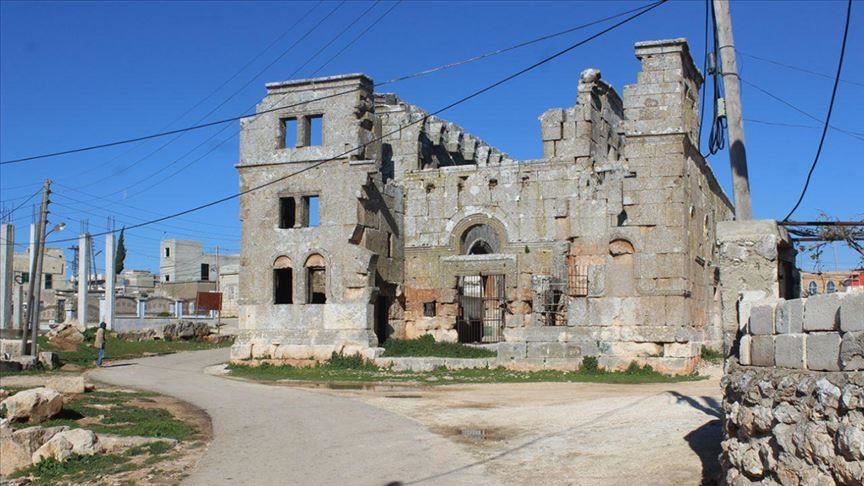
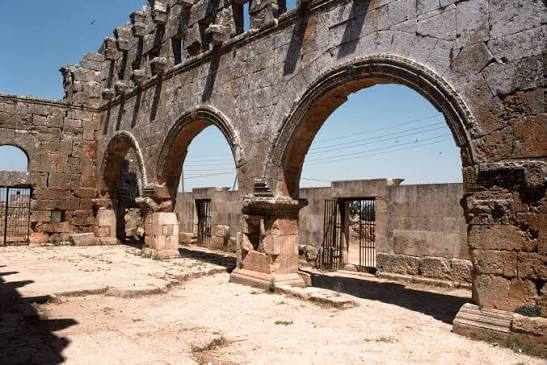
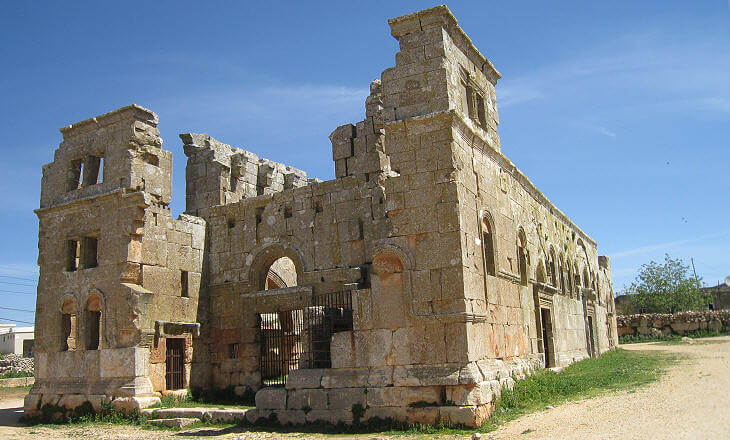
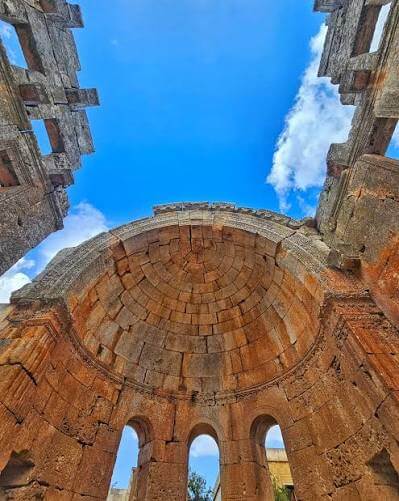
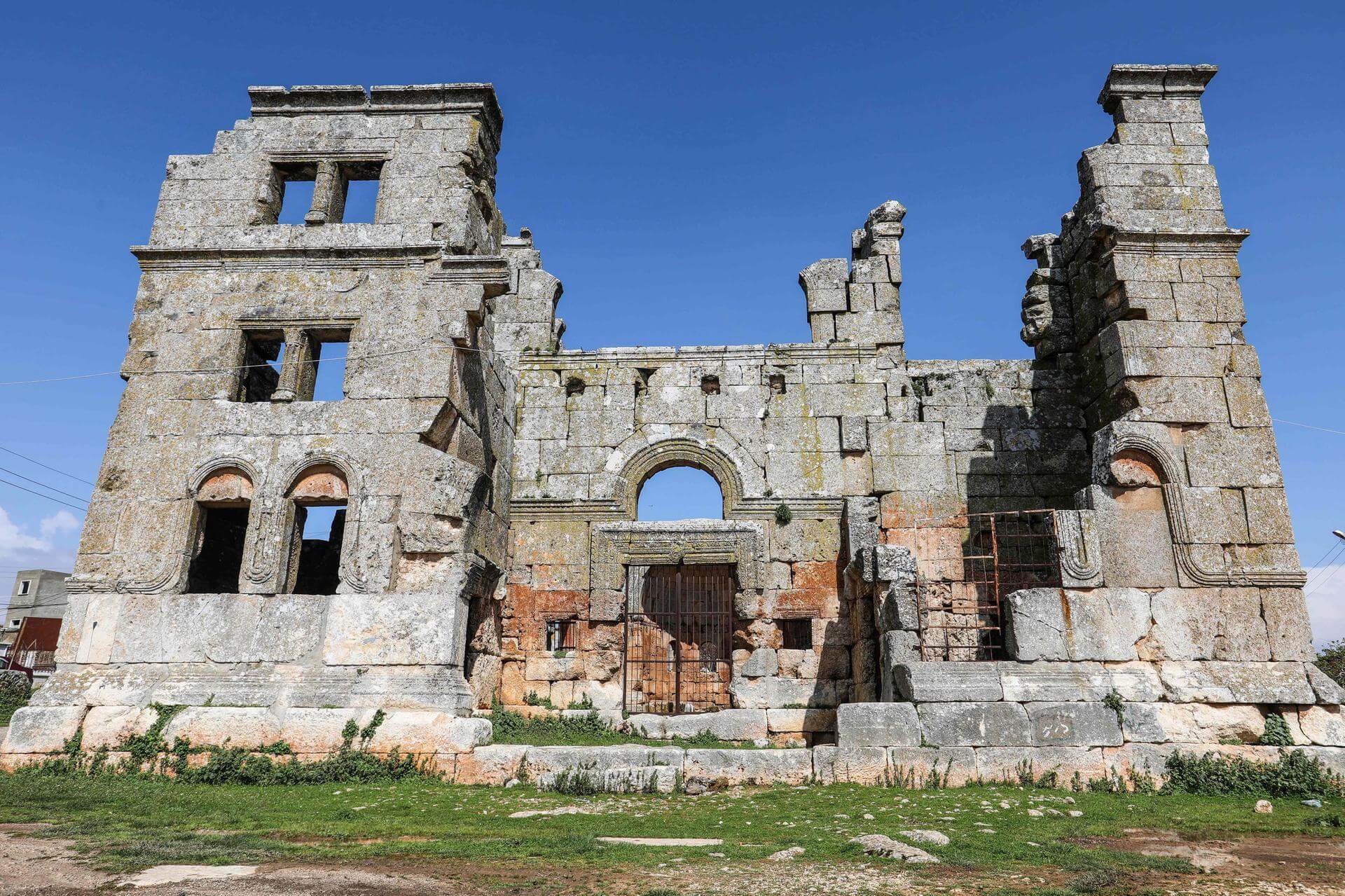
Syria is a land layered with history, and its ancient sites often hold global significance that might surprise even the most seasoned traveler. Nestled in the northwestern part of the country, in the scenic hills of the Jabal al-Aala plateau in Idlib, lies Qalb Lozeh Church. Its name, meaning "Heart of the Almond," perfectly captures the pure, enduring beauty of this structure, which is not merely an ancient ruin but a cornerstone of global architectural history.\nDating back to the 5th century AD (around 460 AD), the Qalb Lozeh Basilica is one of the best-preserved examples of early Byzantine-era church architecture in the entire region. It is a UNESCO World Heritage site, part of the listing known as the "Ancient Villages of Northern Syria" (often referred to as the "Dead Cities").\n\nArchitectural Innovation That Traveled West\n\nWhat makes Qalb Lozeh truly unique is its revolutionary design, which marked a major departure from the standard basilica plan of the time. The builders employed a bold technique that would eventually shape the course of European architecture:\nThe Wide-Aisled Basilica: Instead of using rows of closely spaced columns to separate the central nave from the side aisles, Qalb Lozeh utilized large, sweeping transverse arches resting on square piers. This created an expansive, unified space—a wide-aisled basilica—that lent the interior a sense of grandeur and openness.\nThe Twin-Tower Facade: The church features a monumental western façade framed by two flanking square towers. This design was revolutionary in the 5th century, serving as a powerful visual gateway to the sacred space.\nArchitectural historians, including the renowned explorer Gertrude Bell, have credited this Syrian design as the forerunner of Romanesque and Gothic styles that swept across Europe centuries later. Bell described the church as "the beginning of a new chapter in the architecture of the world."\n\n🇫🇷 The Unbroken Link: Qalb Lozeh and Notre-Dame\n\nThe connection between this Syrian gem and one of the world's most famous cathedrals, Notre-Dame de Paris, is perhaps the most fascinating aspect of Qalb Lozeh's story.\nWhile Notre-Dame's construction began centuries later in the 12th century, key architectural elements that define the Gothic masterpiece are believed to have been directly inspired by earlier structures like Qalb Lozeh:\nThe Twin-Tower Design: The striking symmetrical twin bell towers that crown the famous western facade of Notre-Dame are a feature that can be traced back to its earliest known application in church design at Qalb Lozeh and other Syrian basilicas.\nTransitional Style: The architectural innovations seen in Qalb Lozeh provided a stepping stone away from classical Roman forms toward the greater heights and structural complexity that characterized the later Romanesque and, ultimately, the soaring Gothic cathedrals. Pilgrims and architects traveling between the Levant and Europe during the centuries of the Crusades undoubtedly carried these revolutionary ideas westward.\nThe similarities aren't mere coincidence; they are a profound reminder of the fluid exchange of culture and innovation between the Middle East and Europe, a dialogue that profoundly shaped global heritage.\n\n✨ Why Qalb Lozeh is a Must-Visit\n\nThe Qalb Lozeh Church offers a unique opportunity for any traveler to literally step into a place where global architectural history began.\nVisiting this ancient basilica allows you to:\nWitness Architectural Roots: See the birthplace of features you recognize in iconic European structures.\nExplore Syrian Heritage: Understand the depth and richness of Syria's contribution to world civilization.\nExperience the Dead Cities: Explore the remarkable limestone massif region, full of perfectly preserved settlements that offer an unparalleled look at Late Roman and Byzantine life.\nQalb Lozeh stands as a testament to Syria's enduring cultural legacy—a beautiful "Heart of the Almond" that continues to connect the world, one magnificent arch at a time. It is a vital part of the global heritage that we must cherish and protect.
Reviews & Ratings
0.0
★★★★★
0 reviews
💬
No reviews yet. Be the first to review!
Accessibility Features
Accessible Parking
Contact & Location
idlib
Idlib
Activity
23
Views
5
Likes
📍 Location
Location not specified
Similar Places
More in Idlib



More Cultural Places
The Mariamite Cathedral of Damascus: A Timeless Beacon of Faith in Old Syria
Damascus
New
Cultural
The Magic of Saint Simeon Stylite Church: Syria’s Ancient Wonder
Idlib
New
Cultural
Discovering Ma'arrat al-Numan: History, Culture, and Travel Secrets
Idlib
New
Cultural
Discover the Secrets of Ancient Ebla: Syria’s Lost Empire
Idlib
New
Cultural
Top 5 Historic Bathhouses in Damascus: The Ultimate Hammam Guide
Damascus
New
Cultural
Discover Maaloula, Syria: A Journey to the Ancient Cliffside Sanctuary of Living History
Damascus
New
Cultural