
🏰 Aleppo Citadel: The Stone Giant of Syrian History
Discover the magnificent Aleppo Citadel, one of the world's oldest and largest castles. Explore its strategic location, rich history, and formidable Islamic military architecture.\n
Historical Sites
9
33
What to expect?
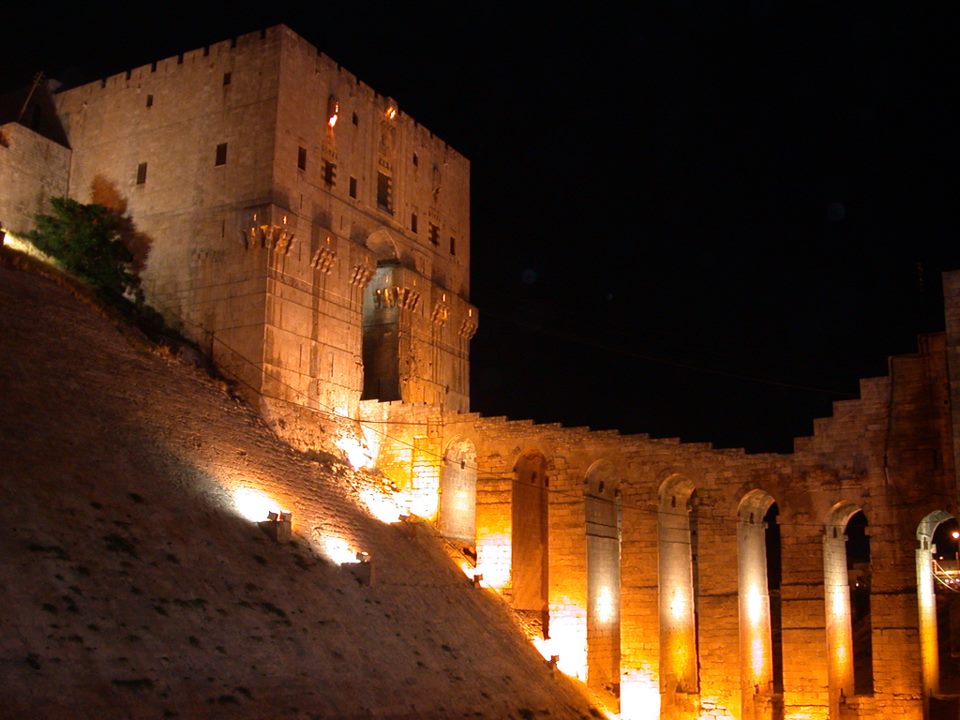
A Testament to Time: Unveiling the Citadel of Aleppo\n\nIn the heart of one of the world’s oldest continuously inhabited cities stands a colossal monument to human resilience and history: the Citadel of Aleppo (Qalaat Halab). More than just a fortress, this massive stone giant, perched atop a natural hill, is a living library of civilizations—from ancient temples to medieval palaces. For any traveler looking to truly connect with the soul of Syria, the Citadel is an absolute must-see.\n\nThe Strategic Heart: Location and Setting\n\nThe Aleppo Citadel's location is the key to its immense historical significance. It sits right in the center of the Ancient City of Aleppo, a UNESCO World Heritage site in northern Syria. The Citadel rests on a prominent, 50-meter-high elliptical limestone mound, giving it a commanding view over the surrounding plains and the historic city below.\nThis elevated position wasn't chosen by chance. Aleppo was a crucial stop on the Silk Road, linking the Mediterranean to the East. The Citadel's strategic placement allowed its rulers to control the vital trade routes that brought immense wealth to the city, making it a prize worth defending fiercely. A wide, deep moat encircles the mound, further emphasizing its impenetrable nature.\n\nA Deep Dive into History\n\nThe hill the Citadel sits on has been a site of occupation since at least the 3rd millennium BC, long before the great fortifications we see today. Archaeological digs have uncovered remnants of a Neo-Hittite temple dedicated to the ancient Storm God, Hadad.\nHowever, the Citadel's current form, the one that inspires awe, is largely a product of the Medieval Islamic period, especially under the Ayyubid dynasty.\nNur al-Din Zangi (12th Century): The Zangid ruler, Nur al-Din, played a crucial role in fortifying the citadel against the Crusaders, beginning the extensive military construction.\nAl-Malik al-Zahir Ghazi (Ayyubid Period): The son of Saladin, Ghazi transformed the Citadel in the early 13th century into the formidable, almost self-contained palatial city we know today. He is credited with digging the vast moat and building the monumental entrance block, which remains its most recognizable feature.\nLater Periods: While the Mongols damaged the Citadel in 1260 and again under Tamerlane in 1400, it was always restored. Under the Ottomans, the Citadel’s purely military role diminished as it transitioned into a royal residence and a city quarter, reflecting the relative stability of the era.\n\nFormidable and Elegant: The Architecture\n\nThe Citadel of Aleppo is considered one of the finest examples of Islamic military architecture in the Middle East. Its design seamlessly blends defensive might with palatial elegance.\n\nThe Monumental Gateway\n\nThe most spectacular feature is the massive, fortified entrance complex. Access is gained via a long, arched stone bridge—once a drawbridge—that crosses the moat and leads to a multi-story entrance block. This block is a masterpiece of defense:\nIt features several turns and gates designed to trap and disorient invaders.\nIt is equipped with machicolations (openings through which defenders could drop boiling oil or stones) and monumental iron-studded gates.\nAbove the gate, look closely for intricate stone carvings of intertwined serpents and lions, symbols of power and protection.\nInside the Walls\nOnce inside the main walls, you enter what was essentially a city within a city. Key architectural highlights include:\nThe Throne Hall (Palace): Situated on the northern wall, this magnificent reception hall offers stunning views and features a grand portal adorned with beautiful decorative muqarnas (stalactite vaulting).\nThe Ayyubid Palace and Baths (Hammam): Ruins of residential complexes and a traditional public bathhouse showcase the daily life of the medieval elite.\nMosques and Cisterns: The Citadel houses the Great Mosque and the Small Mosque, alongside massive underground water cisterns and grain silos, ensuring the fortress could withstand long sieges.\nWhy You Must Visit the Citadel Today\nDespite the challenges faced by Aleppo, including damage from recent conflicts and the 2023 earthquake, restoration efforts are continually underway. The Citadel remains a powerful symbol of Syrian heritage and resilience. Visiting it is an opportunity to walk through four millennia of history, feel the weight of countless empires, and support the ongoing efforts to preserve this irreplaceable World Heritage Site.\nReady to step back in time? Yalla to the Aleppo Citadel!!
Reviews & Ratings
0.0
★★★★★
0 reviews
💬
No reviews yet. Be the first to review!
Contact & Location
Aleppo old town
aleppo
Aleppo
Activity
33
Views
9
Likes
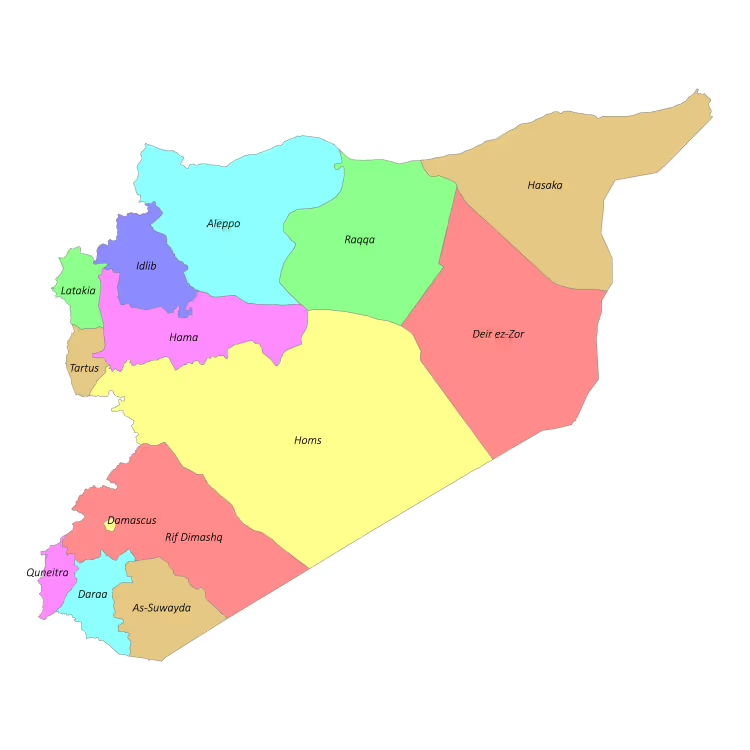
Aleppo old town
More in Aleppo
.jpeg&w=1200&q=75)
The Ultimate 3-Day Aleppo Itinerary: From Damascus to Syria’s Cultural Heart
Hama
New
Suggested Itineraries
Bahar Organization in Syria Restoring Hope and Strength
Tartus
New
Syria-Rising.jpg&w=1200&q=75)
A Guide to the Country’s Most Iconic Traditional Souqs
Homs
New
Markets
Top Boutique Traditional House Hotels and Travel in Aleppo 2026
Aleppo
New
Hotels
Top Modern Hotels in Aleppo 2026
Aleppo
New
Hotels
A New Era for Syria’s Digital Future and Tourism
Tartus
New
ServicesMore Historical Sites Places
The Saint’s Path: A Sacred Journey from Damascus to Maaloula and Sednaya
Damascus
New
Historical SitesThe Mariamite Cathedral of Damascus: A Timeless Beacon of Faith in Old Syria
Damascus
New
Cultural
10 Historical Sites You Must Visit in Syria: A Journey Through Time
Syria
New
Historical Sites
Al-Kahf Castle: The Ancient Rock Fortress of Tartus, Syria
Tartus
New
Historical Sites
Discovering Shahba Syria: Ancient Ruins, Timeless History, and Mountain Magic in Philippopolis
As-Suwayda
New
Historical Sites
The Magic of Saint Simeon Stylite Church: Syria’s Ancient Wonder
Idlib
New
Cultural